Numerology in Judaism
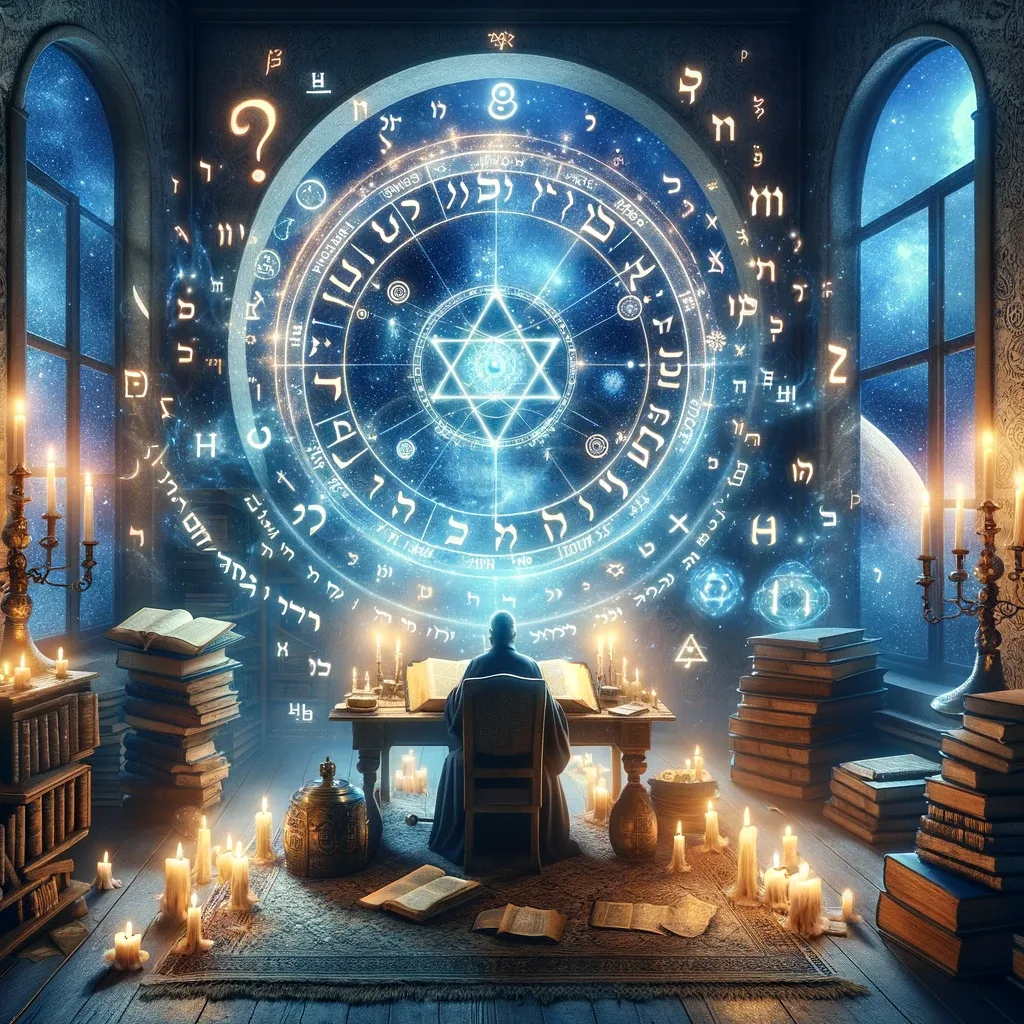
Numerology is an ancient field that studies the symbolic and mystical meanings of numbers and their influence on human life. In Judaism, the study of numbers and their significance is an inseparable part of the mystical and scholarly tradition, and it appears in many religious and philosophical sources, especially in Kabbalah and in gematria.
Gematria: The Numerology of Judaism
Gematria is one of the best-known numerological techniques in Judaism. It is a method in which numbers are assigned to the Hebrew letters, and through them one can look for deep connections and meanings in biblical and Talmudic texts. For example, the letter א' equals the number 1, ב' the number 2, and so on up to the letter ת', which equals the number 400.
Using gematria makes it possible to discover connections between different words whose numerical values add up to the same sum, which can give added meaning to biblical verses or link them to mysticism.
The Symbolic Meaning of Numbers in Judaism
In Judaism, as in many ancient cultures, certain numbers are given symbolic meaning. For example:
- Number 7: Considered the number of wholeness and holiness. Seven days in the week, seven days of the creation of the world, and seven years of the sabbatical (Shmita) cycle.
- Number 10: A symbol of spiritual wholeness and divine rule. The Ten Commandments are the foundation of Jewish ethics, and ten is the number of people needed for a minyan.
- Number 12: Represents the tribes of Israel, as well as the number of months in the year according to the Hebrew calendar.
- Number 18: Corresponds in Hebrew to the word "חי", which means life, and is therefore considered a number that brings good luck.
- And more.
The Influence of Numerology on Jewish Thought
Numerology and gematria shape the ways of interpretation and study in Judaism. Many commentators use gematria to open up verses in new ways and to link different texts, which adds depth and another dimension to study. Gematria is also sometimes used in writing amulets and in the practical design of sacred texts, to make sure the text reflects numbers with special meaning.
Numerology in Everyday Life
In everyday life, people relate to numbers in different contexts, whether in choosing donations (giving sums that end in 18, for example), in planning family events and holidays, or in understanding patterns that repeat in their personal lives.
Kabbalah and Numerology
Kabbalah, the mystical tradition of Judaism, pays great attention to numbers as part of its broader worldview. In Kabbalah, numbers are seen not only as symbols but as tools for a deeper understanding of the inner structure of the world and of the ways the divine influences it. For example, the Tree of Life, a model for understanding reality in Kabbalah, is based on ten sefirot that represent the levels of truth, power and divine presence.
In Summary
The connection between numerology and Judaism is deep and complex, and it reflects the understanding that everything in this world, numbers included, carries spiritual and symbolic meaning. Using numbers as a way to understand the world and to connect different ideas is a wonderful example of how a rich culture and a long tradition can shape every area of life.